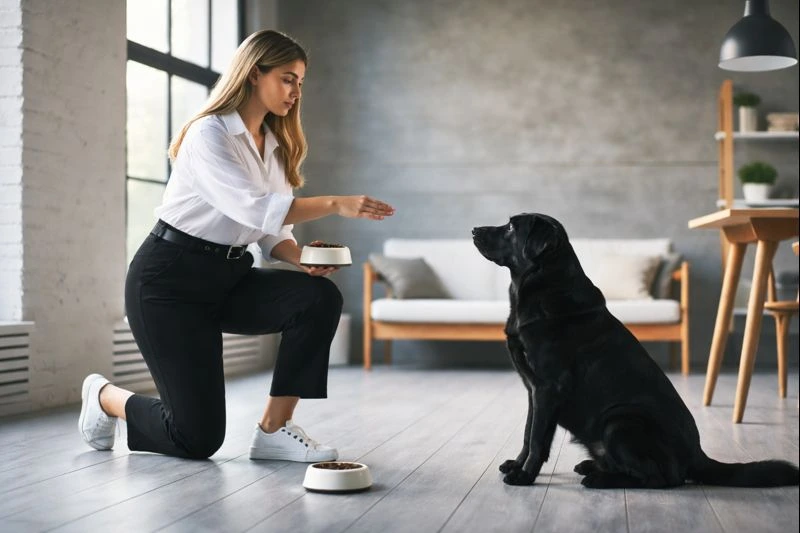
Why You Need to Teach the Sit Command; Benefits of the Sit Command
One of the most important basic commands is teaching your dog to sit. It may also be the building block for more advanced training and proper behavior. The command “sit,” among other things, refines the bond between you and your dog. It is multifunctional and could be used in many different situations, including trying to stop your pet from jumping up on your guests.
The command enhances clarity in your communication, which is pleasurable and productive in training. It also enhances safety and mental stimulation. For your dog, attention gets better with regular practice, which is very useful for puppies and seniors. All in all, an investment in teaching “sit” is an investment in your dog’s training and well-being.
If you’re working on other basic commands such as teaching a dog to stay, the “sit” command provides a great foundation. As you advance, you’ll find that the ability to train a dog to heel will be much easier with a dog that already understands the “sit” behavior.
Expert Insights on the Sit Command
Cesar Millan
Known as the “Dog Whisperer,” Cesar Millan is a famous dog behaviorist who emphasizes the importance of the owner’s energy and behavior in training.
He says: “The dog is a reflection of your energy, of your behavior. You have to ask yourself: Am I balanced?”
Millan emphasizes the importance of the owner’s self-awareness and emotional state in the training process.
Victoria Stilwell
Victoria Stilwell is a renowned dog trainer and star of “It’s Me or the Dog,” advocating for positive reinforcement and understanding a dog’s signals. She says: “Dogs do speak, but only to those who know how to listen.” Stilwell highlights the significance of paying close attention to the dog’s signals and body language to understand their needs and responses.
Zak George
Zak George is a celebrity dog trainer known for his YouTube channel and books, promoting clear and positive communication between owners and their dogs.
He says: “Training a dog is all about communication, not domination.”
George stresses the need for clear and positive communication between the owner and the dog, rather than using force or intimidation.
If you’re looking for more advice from experts, you can explore how to train your dog to speak or be quiet for a more communicative pet.
What Are You Going to Need to Teach a Dog to Sit?
Needed Supplies:
Setting up a dog training session should be done in such a way that the teaching of how to sit should be an effective and enjoyable process. This is what you will need:
- Treats: Get special dog treats that your dog really likes. Reward the dog for being successful in the process to keep it energetic.
- Clicker: It allows you to mark an exact moment when your dog has done right, so it will be easy for them to know what is right.
- Collar and Leash: A comfortable and safe collar with a matching leash is going to easily represent the best investment that you make towards the safety and focus of your dog during training.
- Gesture and Voice: Be sure to make the instructions to the dog clear by using gestures and voice commands.
- Quiet, Free of Distractions: Train your dog in an environment where it won’t be distracted. This will help put otherwise focused attention to proper use.
For creating an even more structured training environment, it may be helpful to teach the place command. This can be used to direct your dog to a specific area, aiding with focus during training sessions.
What are the Steps to Teach Your Dog to Sit?
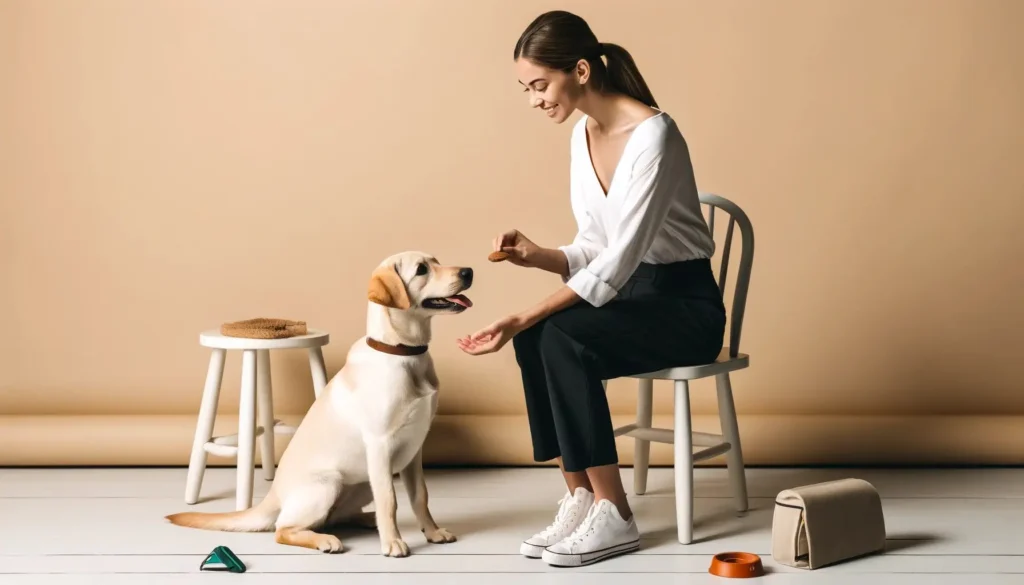
Teaching your dog to sit is an essential part of their obedience training. It not only helps in managing your dog’s behavior but also lays the foundation for more advanced commands. To make this process effective and enjoyable for both you and your dog, follow these detailed steps:
- Find Some Tasty Treats: Choose treats that your dog loves to ensure they stay motivated during training.
- Hold a Treat in Your Hand: Hold the treat close to your dog’s nose to grab their attention.
- Move the Treat Above the Dog’s Head and Say the Word ‘Sit’: Slowly move the treat over your dog’s head so they follow it with their eyes, causing their bottom to lower to the ground. Just like you would do when teaching leave it.
- Raise the Treat Over Their Head: As your dog’s head follows the treat, their body will naturally move into a sitting position.
- Once in a Sit, Praise Your Dog!: As soon as your dog sits, praise them enthusiastically with a happy tone of voice. This is similar to encouraging your dog to drop it when they have something they shouldn’t.
- Reward: Immediately give your dog the treat to reinforce the behavior.
- Repeat Several Times: Practice this several times a day in short training sessions to reinforce the command, ensuring the sessions are positive and not too long to avoid frustration. You can also practice wait during these sessions.
- Add the Verbal Cue and a Hand Signal: Once your dog consistently sits with the treat, introduce a verbal cue, such as ‘sit,’ and a hand signal, like an open palm facing up. Repeat the command and gesture each time you practice.
- Phase Out the Treats: Gradually reduce the frequency of treats, but continue to use verbal praise and petting as rewards. This helps your dog learn to respond to the command without expecting a treat every time.
What Tips Should You Follow for Training Your Dog to Sit?
- Short Training Sessions: Keep training sessions short, around 5 to 10 minutes, to maintain your dog’s attention and prevent them from getting bored or frustrated.
- Creating a Positive Environment: Ensure the training space is free of distractions and filled with positive energy. Use lots of praise, treats, and enthusiasm to make the training enjoyable for your dog.
- Using Consistent Commands and Signals: Always use the same verbal cue and hand signal to avoid confusing your dog. Consistency helps your dog learn and remember the command more effectively.
- Being Patient and Avoiding Frustration: Training takes time and patience. Stay calm and patient with your dog, and avoid showing frustration if they don’t get it right away. Celebrate small successes and keep the training sessions positive.
If you’re teaching your dog several commands, integrating the off command can be helpful in avoiding unwanted behaviors while sitting.
How Do You Make Sitting a Default Behavior?
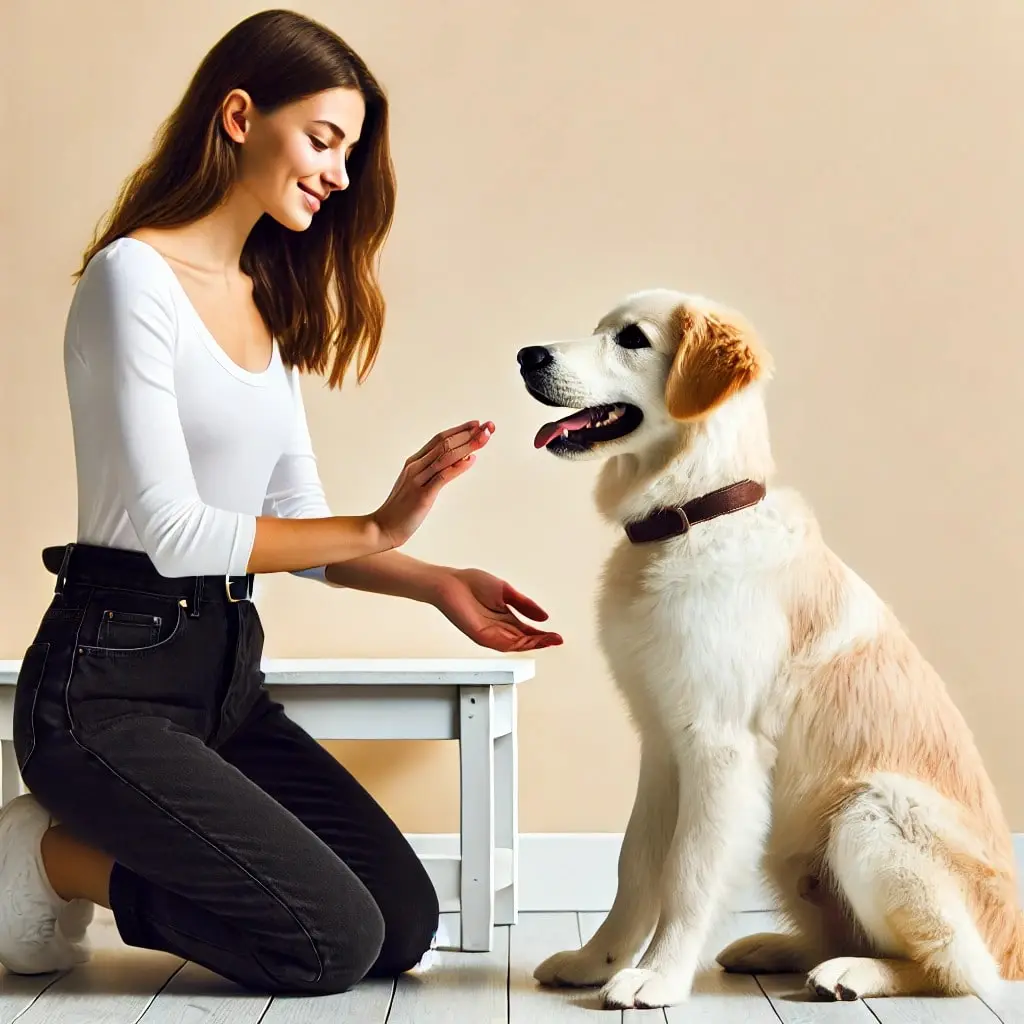
- Encouraging Automatic Sitting: Reward your dog every time they naturally sit. This positive reinforcement helps them understand that sitting is a good behavior and encourages them to do it more often.
- Integrating Sit Command in Daily Routines: Make ‘sit’ a part of your daily activities. Ask your dog to sit before meals, when greeting people, before walks, and during other routine tasks. Using the command in different situations helps your dog learn that sitting is expected in various contexts.
How Can You Teach Your Dog to Sit Pretty?
Once your dog masters the basic sit command, progress to “sit pretty.” Have your dog sit, then hold a treat above their nose and lift it slowly, encouraging them to raise their front paws.
Introduce a verbal cue like “sit pretty” and a hand signal. Practice this in short, enjoyable sessions. You can also teach advanced commands like teaching your dog to greeting people as you progress.
What Should You Avoid When Training Your Dog to Sit?
- Avoid Long Sessions: Keep training sessions short, around 5 to 10 minutes, to prevent boredom or frustration.
- Practice in a Comfortable and Safe Place: Choose a quiet, familiar space free from distractions. This helps your dog focus better.
- Minimize Frustration or Impatience: Stay patient and positive. Avoid showing frustration, as it can make your dog anxious and slow their progress. Keep sessions upbeat and encouraging.
Other Important Commands for Your Dog
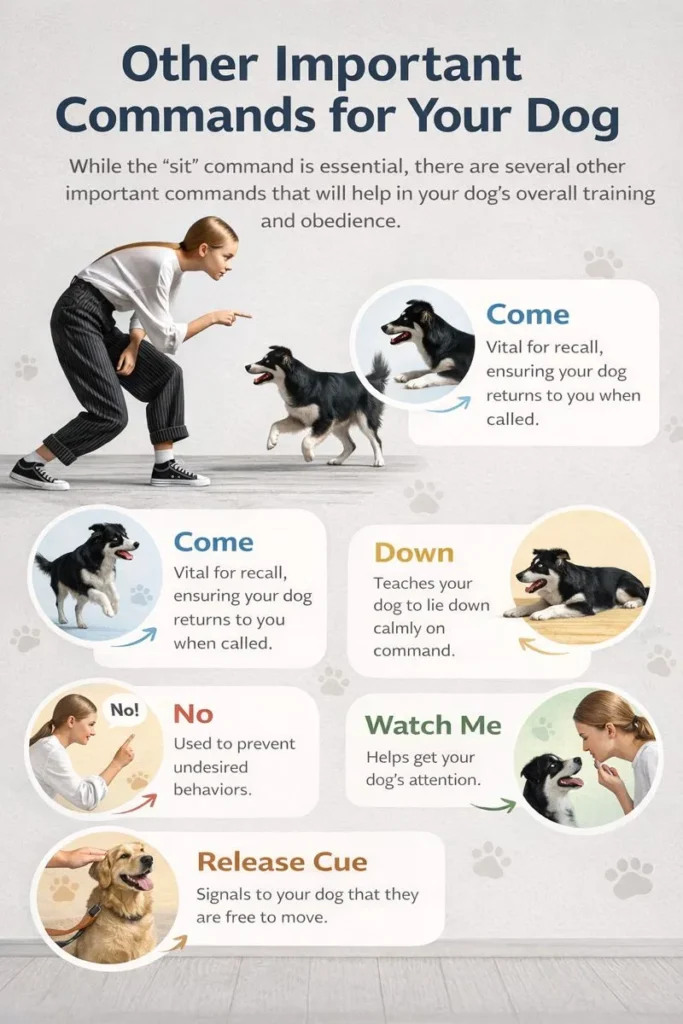
While the “sit” command is essential, there are several other important commands that will help in your dog’s overall training and obedience. Here are some key commands to consider teaching:
- Come: This command is vital for recall and ensures your dog returns to you when called. Learn how to teach a dog to come for a reliable recall.
- Lay Down: Teaching your dog to lie down is another foundational command that enhances discipline. It’s helpful in various situations, such as when you need your dog to relax or stay in place. Discover how to teach a dog to lay down to build this important behavior.
- No: Sometimes, it’s necessary to tell your dog “no” to prevent undesired behaviors. Understanding how to teach a dog the no command can help reinforce boundaries and discourage bad habits.
- Watch Me: This command is a great way to get your dog’s attention. It’s especially useful when you need your dog to focus on you in distracting environments. Learn how to teach your dog the watch me command to ensure their attention is always on you when needed.
- Release Cue: The release cue is an essential command for letting your dog know when a behavior is finished. Once your dog understands how to teach your dog a release cue, you’ll be able to end sit or stay commands properly and give your dog a clear transition to the next activity.
By adding these commands to your dog’s training routine, you’re ensuring their behavior stays well-managed, enhancing their ability to be calm, responsive, and well-behaved in various situations.
FAQs
What age should I start training my dog to sit?
You can start training your puppy to sit as early as eight weeks old. Puppies can learn basic commands from a young age, so the earlier you start, the better.
How long does it usually take for a dog to learn the sit command?
The time it takes for a dog to learn the sit command can vary. Some dogs may learn in a few days, while others might take up to two weeks. Consistency, patience, and positive reinforcement are key to successful training.
What should I do if my dog refuses to sit?
If your dog refuses to sit, try using a higher value treat to capture their attention. Make sure you are in a distraction-free environment. If your dog is still resistant, reward even the smallest progress to encourage them.
How often should I practice the sit command with my dog?
Practice the sit command in short, frequent sessions. Aim for 5 to 10 minutes, two to three times a day. This helps reinforce the behavior without overwhelming your dog.
Is it necessary to use treats for training, or are there other effective rewards?
While treats are very effective for training, other rewards like verbal praise, petting, and playtime can also work. Find what your dog enjoys and incorporate that into the training.
How can I integrate the sit command into daily routines?
Integrate the sit command into your daily routines by asking your dog to sit before meals, when greeting people, before walks, and at other routine times. This helps reinforce the behavior and makes sitting a default action in various situations.
Conclusion
Teaching your dog to sit is very important for their discipline and good behavior. Start early, use treats, and keep practice sessions short and positive. Be patient, use clear verbal cues and hand signals, and avoid long sessions to keep your dog engaged. Make training a part of your daily routine by integrating the sit command into everyday activities. This will help reinforce good behavior and strengthen your bond with your dog. Keep the training fun and encouraging for the best results.