Introduction
Loose leash walking is an essential skill for dogs that can significantly improve both the dog’s behavior and the owner’s enjoyment during walks. This comprehensive guide explores how to train your dog to walk on a loose leash, helping you avoid pulling and promoting a harmonious relationship between you and your pet.
Training a dog to walk without pulling on the leash requires patience, consistency, and the right techniques. By following the steps in this article, pet owners will learn the benefits of loose leash walking, the common challenges encountered during training, and practical tips to overcome them.
We will also dive into effective training methods and how to address setbacks along the way. Whether you’re a new dog owner or looking to refine your dog’s leash manners, this guide provides the knowledge and strategies you need to achieve success.
What is Loose Leash Walking?
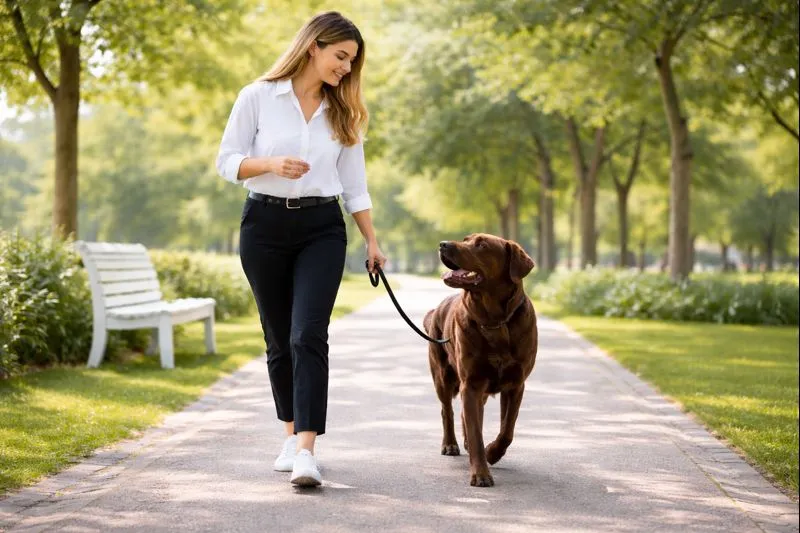
Loose leash walking refers to a walking behavior where your dog walks on a leash without pulling or tugging at the lead. It means the dog is walking calmly beside or slightly ahead of you with the leash remaining slack. This allows for a more enjoyable, stress-free walk and fosters good behavior on walks.
Why Is Loose Leash Walking Important?
Loose leash walking is important because it benefits both the dog and the owner. For the dog, it prevents strain on the neck or back and reduces stress or frustration associated with pulling. For the owner, it makes walks more manageable, safer, and pleasant. Additionally, it helps in building a stronger bond between you and your dog, establishing clear communication and expectations.
How Does Loose Leash Walking Benefit Your Dog?
Loose leash walking provides numerous advantages for both dogs and their owners. These benefits are:
- Improved behavior: Teaching loose leash walking helps address bad habits like excessive pulling or lunging during walks.
- Increased physical and mental stimulation: With controlled walks, dogs can engage in a steady rhythm and explore their environment in a calm manner.
- Strengthened relationship: Positive walking experiences strengthen the bond between you and your dog, creating trust and mutual respect.
- Healthier lifestyle: Walks are a great way for dogs to get exercise, and proper leash control ensures the walks are enjoyable for both parties.
How Can You Train Your Dog to Walk on a Loose Leash?
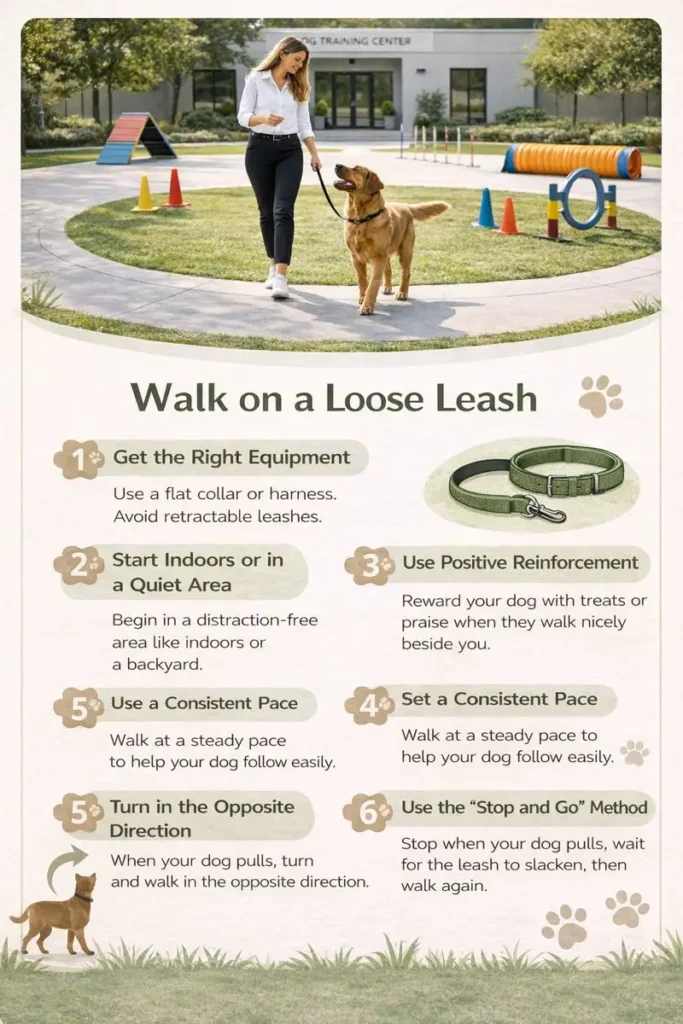
Training your dog to walk on a loose leash involves consistent practice, patience, and positive reinforcement. The key is to teach your dog that walking beside you is rewarding. Here are the steps to train your dog effectively:
1. Get the Right Equipment
To begin, ensure you have the right walking tools. A flat collar or a harness is ideal for loose leash walking. Avoid retractable leashes as they encourage pulling and make it harder to maintain control.
2. Start Indoors or in a Quiet Area
Begin training in a distraction-free area like your living room or backyard. This helps your dog focus solely on the training without getting distracted by external stimuli. Hold the leash with a relaxed grip, allowing your dog to move freely by your side.
3. Use Positive Reinforcement
Reward your dog whenever they walk beside you without pulling. Use treats, praise, or toys as positive reinforcement. This will encourage your dog to repeat the desired behavior.
4. Set a Consistent Pace
Set a steady pace during your walks. Avoid stopping abruptly or speeding up suddenly, as this may confuse your dog. Keep a consistent rhythm that your dog can follow easily.
5. Turn in the Opposite Direction When Pulling Occurs
When your dog starts pulling, turn in the opposite direction and walk in the new direction. This teaches your dog that pulling leads to a change in direction, which makes them more likely to stay by your side.
6. Use the “Stop and Go” Method
When your dog starts pulling, simply stop walking. Wait until the leash becomes slack, and then start walking again. This method reinforces the idea that pulling causes the walk to stop, but walking calmly results in the continuation of the walk.
What Common Mistakes Should You Avoid When Training Loose Leash Walking?
While training for loose leash walking, certain mistakes can impede progress. Here are a few common mistakes to avoid:
- Using the wrong equipment: Tools like choke chains or prong collars can cause pain and discomfort, discouraging your dog from enjoying walks.
- Inconsistent training: Training should be consistent across all walks. Skipping training sessions or reinforcing bad behavior can make it harder for your dog to learn.
- Not rewarding the right behavior: Failing to reward your dog when they walk on a loose leash can lead to confusion and frustration.
How Do You Deal with Setbacks in Training?
Training your dog to walk on a loose leash may come with setbacks. Dogs may revert to pulling behavior, or they may become distracted during walks. Here’s how to handle common challenges:
1. Revisit Basic Training
If your dog begins pulling again, revisit the basic steps and reintroduce them to loose leash walking. It may be necessary to practice in low-distraction environments before progressing to more challenging situations.
2. Increase Distractions Gradually
Once your dog masters loose leash walking in a calm environment, slowly introduce distractions like other dogs, people, or vehicles. By gradually increasing distractions, you can help your dog stay focused on the walk and not on the external stimuli.
3. Stay Patient and Consistent
Training takes time. It’s important to stay patient and consistent with your approach. If you feel frustrated, take a break and resume when both you and your dog are ready.
How Long Does It Take to Train a Dog to Walk on a Loose Leash?
The duration of training can vary depending on your dog’s age, temperament, and prior training experience. For some dogs, it may take a few weeks to master loose leash walking, while others may take several months. The key is consistency and maintaining a positive attitude during training.
Can Loose Leash Walking Be Used for All Dog Breeds?
Yes, loose leash walking can be trained in dogs of all breeds, though some breeds may be more challenging to train than others. High-energy breeds like Border Collies or Huskies may require extra patience and consistency, while more laid-back breeds like Bulldogs may learn more quickly. Regardless of breed, loose leash walking is achievable with the right approach.
What Are Some Advanced Techniques for Loose Leash Walking?
Once your dog has mastered the basics of loose leash walking, you can introduce more advanced techniques:
- Heel Training: Teach your dog to walk directly beside you with their shoulder aligned with your leg. This technique is perfect for more formal walks.
- Walking in Crowds: Practice walking in areas with lots of distractions like parks or busy streets to ensure your dog remains focused.
What Should I Do If My Dog Keeps Pulling During Walks?
If your dog starts pulling on the leash, the first thing you should do is stop walking. Wait until the leash becomes loose, and then start walking again. It may take time for your dog to understand that pulling will stop the walk, so be patient and keep doing this every time they pull. Eventually, they will learn that walking calmly is what keeps the walk going.
How Can I Teach My Dog to Walk Without Pulling?
To teach your dog to walk without pulling, start by walking in a quiet place with no distractions. Use a regular leash or a harness. If your dog pulls, stop walking and wait for them to return to your side. Reward them with treats or praise when they walk calmly next to you. Keep practicing this regularly, and once your dog learns the basics, slowly add more distractions.
Can I Use a Retractable Leash for Loose Leash Walking?
A retractable leash is not a good choice for loose leash walking. These leashes can make it harder to control your dog because they encourage pulling. It’s better to use a regular leash or a harness, as these give you more control and help teach your dog to walk calmly beside you.
How Do I Train a Dog That Has Been Pulling for a Long Time?
If your dog has been pulling for a long time, it might take more time to teach them loose leash walking. Start by being patient and consistent, and use positive reinforcement when they walk nicely beside you. You may need to go back to the basics, even if your dog is older. Take breaks and practice in calm places to help your dog focus better during training.
Why Does My Dog Pull on the Leash?
Dogs pull on the leash for different reasons, like being excited, wanting to explore, or not knowing proper walking manners. They may not understand that pulling on the leash isn’t good behavior. With consistent training and by understanding your dog’s needs, you can help them learn not to pull.
How Can I Prevent My Dog from Lunging on the Leash?
Lunging happens when a dog gets too excited or tries to approach something. To stop your dog from lunging, try redirecting their attention back to you with treats or commands like “look” or “heel.” Practice in calm places first, then slowly add distractions. Reward your dog when they stay calm and don’t lunge.
How Often Should I Practice Loose Leash Walking with My Dog?
It’s important to practice loose leash walking every time you go for a walk, but start with short sessions. As your dog gets better at walking calmly, you can make your walks longer. The more you practice, the quicker your dog will learn to walk nicely.
Can Loose Leash Walking Help with My Dog’s Hyperactivity?
Yes, loose leash walking can help calm a hyperactive dog. It provides a structured way for your dog to burn energy and learn self-control. If your dog is full of energy, try stopping and starting during the walk, or use simple commands to help them stay focused.
How Can I Train My Puppy to Walk on a Loose Leash?
Training a puppy to walk on a loose leash starts early. Use a light leash or harness and keep training sessions short. Reward your puppy when they walk calmly by your side, and gently redirect them if they start to pull. Puppies have short attention spans, so make sure the training is fun and simple.
What Leash Is Best for Loose Leash Walking?
The best leash for loose leash walking is a regular 4-6 foot leash made from materials like nylon or leather. Avoid retractable leashes because they make it harder to control your dog. A front-clip harness is also a great choice, especially for dogs that tend to pull.
Conclusion
Training your dog to walk on a loose leash is not only about teaching them good manners, but it’s also about fostering a deeper connection between you and your dog. With patience, consistency, and positive reinforcement, both you and your dog can enjoy stress-free walks. By following the techniques outlined in this article, you’ll be able to address common challenges, track your dog’s progress, and create lasting habits that make walking an enjoyable activity for both of you.